
Managing Urban Logistics for Baltimore Pool Projects
Dreaming of a backyard oasis is easy, but bringing that dream to life in a dense urban environment requires a special kind of expertise. For many homeowners in Baltimore, the idea of adding a pool to their property feels out of reach due to limited space, shared property lines, and strict local regulations. However, with the right planning and a contractor who understands the unique rhythm of the city, transforming your compact outdoor space into a stunning retreat is entirely possible.
Urban pool construction is vastly different from building in a sprawling suburban backyard. It demands meticulous logistical planning, a deep understanding of historic architecture, and a commitment to keeping the neighborhood undisturbed. Whether you are looking to install a brand-new plunge pool or update an aging concrete basin, understanding the logistics behind the process can help you feel confident and prepared for the journey ahead.
Navigating Tight Spaces and Alley Dwellings
One of the most common questions we hear from homeowners living in a traditional rowhouse is how we actually get the equipment and materials into their backyard. Space is a major consideration for any new pool, and managing alley dwelling pool installation logistics is a puzzle we solve on a daily basis.
We approach these tight urban spaces by designing modern, stylish pools that maximize every available square foot without overwhelming the property. This often involves utilizing compact, specialized excavation machinery that can safely navigate narrow alleys and standard gate openings. When access is severely restricted, we coordinate precise material deliveries and manual excavation techniques to ensure the project moves forward without damaging your property or inconveniencing your neighbors.
If you are considering swimming pool installations, the key is to view your limited space not as a restriction, but as an opportunity for creative, custom design. From sleek lap pools to geometric plunge pools with integrated seating, a smaller footprint can still deliver a massive upgrade to your lifestyle.
Permitting and Historic Preservation Guidelines
A major pain point for many local homeowners is navigating the complex web of city regulations. You might be wondering if you need a permit for your project, or how local historic preservation guidelines will impact your design. The short answer is yes, you absolutely need a permit, and depending on your neighborhood, you may also need special approvals.
If your home is located within a CHAP District, the Commission for Historical and Architectural Preservation will have specific guidelines regarding exterior alterations. While a backyard pool might not impact the front facade of your home, any associated hardscaping, fencing, or retaining walls must often align with historic preservation standards.
We handle the entire permitting process for our clients. By utilizing advanced 3D Building Information Modeling and providing detailed site plans upfront, we help streamline approvals and prevent the costly delays that often plague urban construction projects. Our goal is to ensure your project remains fully compliant with all local building codes while respecting the historic character of your neighborhood.

Structural Considerations and Debris Disposal
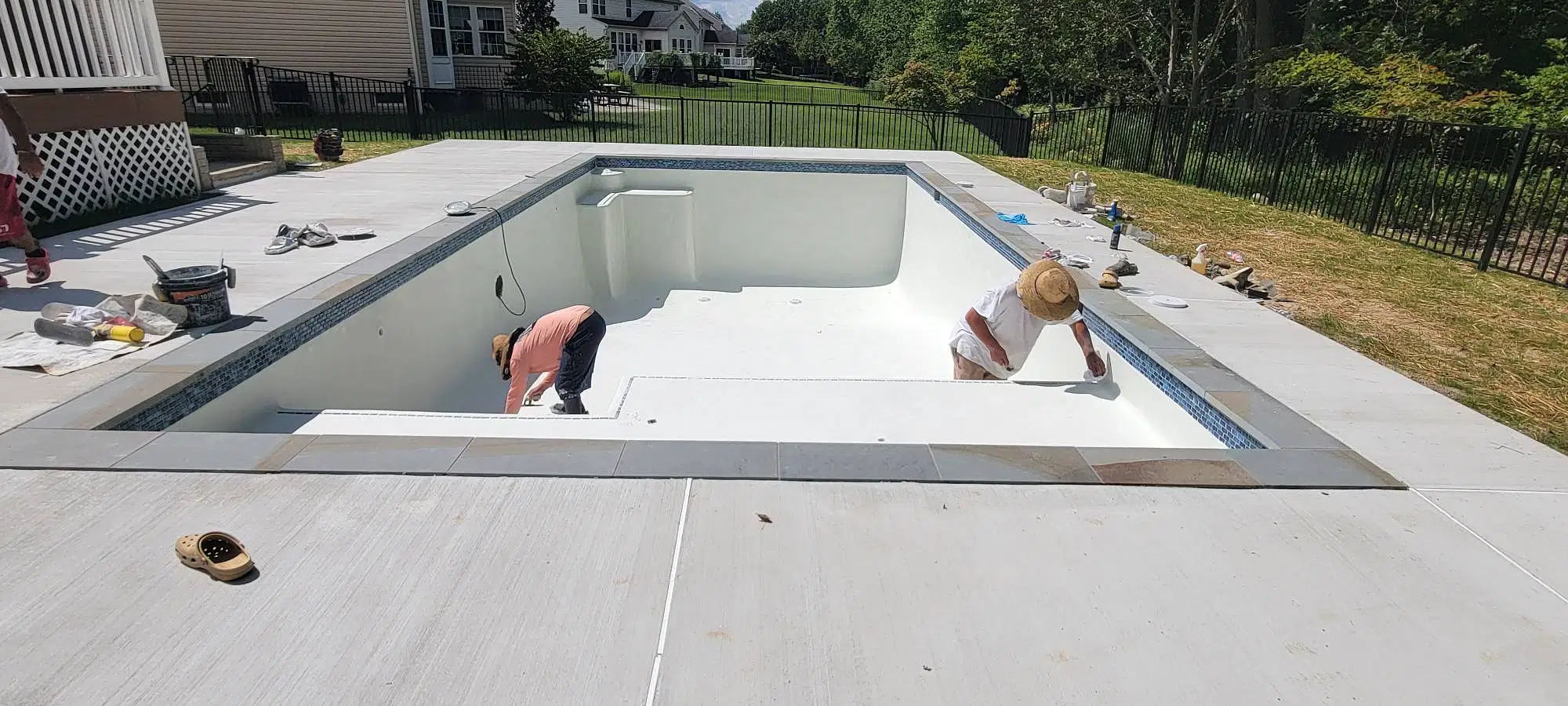
Building a pool in a dense neighborhood requires a hyper-focus on structural integrity. Because rowhouses share party walls and often sit on older foundations, any excavation work must be executed with extreme caution. Structural considerations for rowhouse pool builds include assessing the stability of nearby foundations, managing soil retention, and ensuring that heavy equipment vibrations do not disturb historic masonry or delicate Formstone exteriors.
Equally important is the management of the job site itself. Debris disposal for urban backyard renovations is a logistical challenge that separates professional contractors from the rest. We cannot simply park a massive dumpster on a narrow street for weeks on end. Instead, we utilize a live-load debris removal system, where excavated dirt and old concrete are loaded directly into waiting trucks and hauled away immediately. This keeps the staging area clear, minimizes the impact on street parking, and ensures a clean, safe environment throughout the build.
For those looking into swimming pool renovations, this clean-site approach is just as critical. Removing old plaster, tile, and coping generates a significant amount of waste, and managing that debris efficiently is a core part of our operational strategy.
Upgrading Your Space: Patios and Eco-Friendly Features
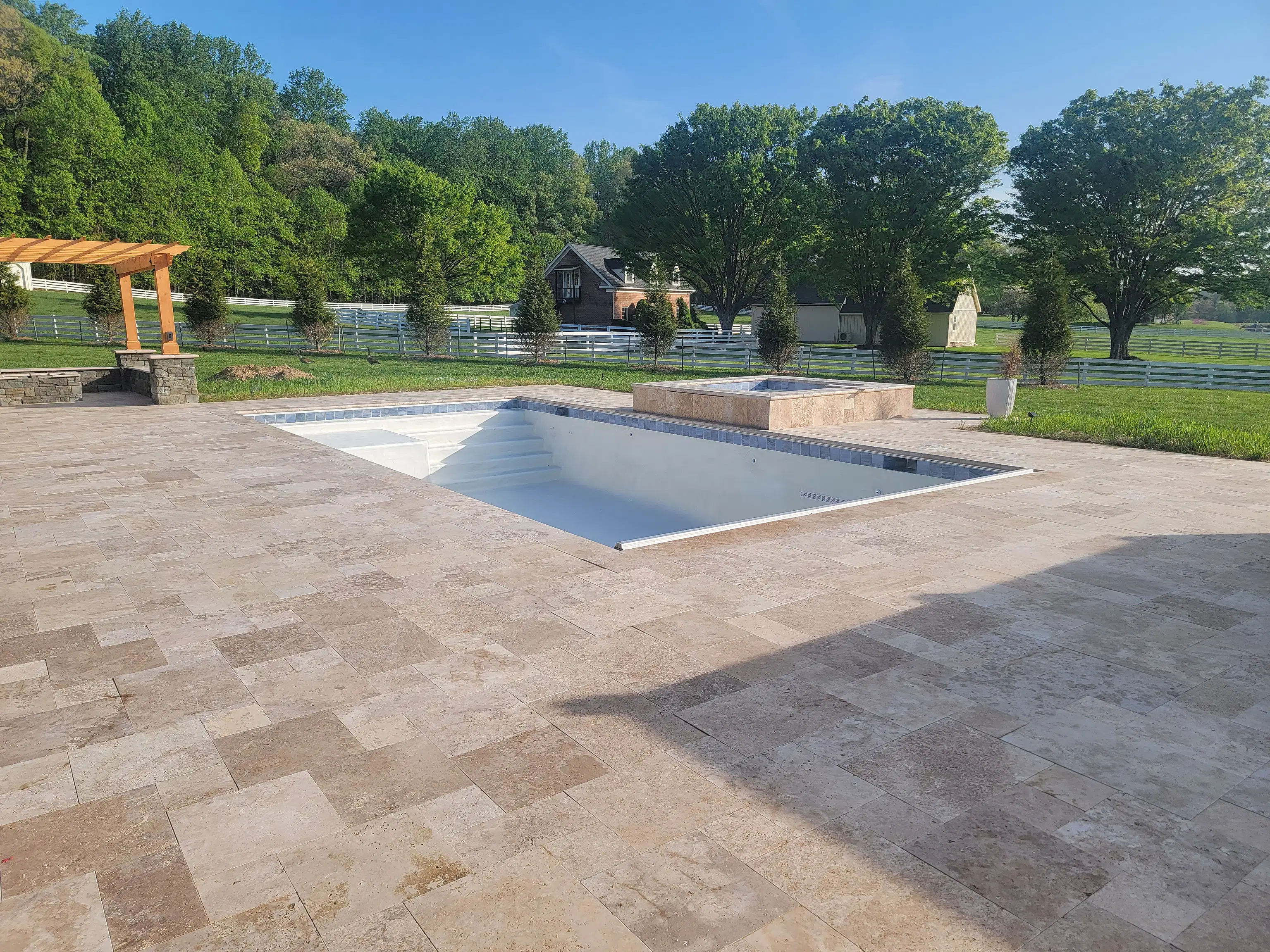
A pool is only as good as the space surrounding it. When planning a project, many clients ask what materials we recommend for resurfacing the patio, especially considering our fluctuating Mid-Atlantic climate. For the best combination of longevity and low maintenance, we highly recommend natural stone pavers or high-grade porcelain tile. These materials withstand freeze-thaw cycles beautifully, resist fading in the summer sun, and provide a safe, slip-resistant surface.
The installation process for these patios involves establishing a deeply compacted base and utilizing polymeric sand in the joints to prevent weed growth and shifting. This meticulous foundation work ensures your patio remains level and pristine for decades.
Furthermore, maximizing a smaller urban space often means incorporating eco-friendly features that reduce long-term operating costs. We frequently integrate variable-speed pumps, energy-efficient LED lighting, and smart automation systems that allow you to control your pool's temperature and filtration right from your smartphone. These modern upgrades not only make your pool easier to maintain but also significantly reduce its environmental footprint.
Ready to Transform Your Urban Backyard?
Managing the logistics of an urban pool project requires experience, transparency, and a deep respect for the community. From securing the right permits to ensuring your property's structural integrity, every step must be handled by licensed professionals. As a fully insured and MHIC-licensed contractor, we pride ourselves on delivering high-quality craftsmanship, clear communication, and strict adherence to project timelines.
Whether you are navigating the differences in regulations between Baltimore City vs. County or simply trying to figure out how to fit a pool into your historic backyard, Legacy Pool and Spa LLC is here to help. If you are ready to discuss your vision and explore what is possible for your property, please reach out to us through our contact us page to schedule a consultation.