
How to Prevent Hydrostatic Pressure Damage to Your Inground Pool
Owning an inground pool provides a perfect backyard oasis during the hot summer months. However, the changing seasons and fluctuating weather patterns across the DMV can create hidden challenges right beneath the surface of your yard. One of the most significant, yet least understood, threats to a pool's structural integrity is hydrostatic pressure.
Simply put, hydrostatic pressure is the upward force exerted by groundwater against the bottom and sides of your pool structure. When the soil surrounding your pool becomes heavily saturated from heavy rains, melting snow, or naturally high water tables, the water seeks a place to go. If the pressure outside the pool becomes greater than the weight of the water inside the pool, it can cause severe structural damage. In extreme cases, this pressure can even lift an entire pool out of the ground, a phenomenon often referred to as pool popping.
Understanding how groundwater behaves and implementing the right protective measures is crucial for protecting your investment and ensuring your backyard oasis remains pristine for years to come.
The Science of Groundwater and Pool Popping
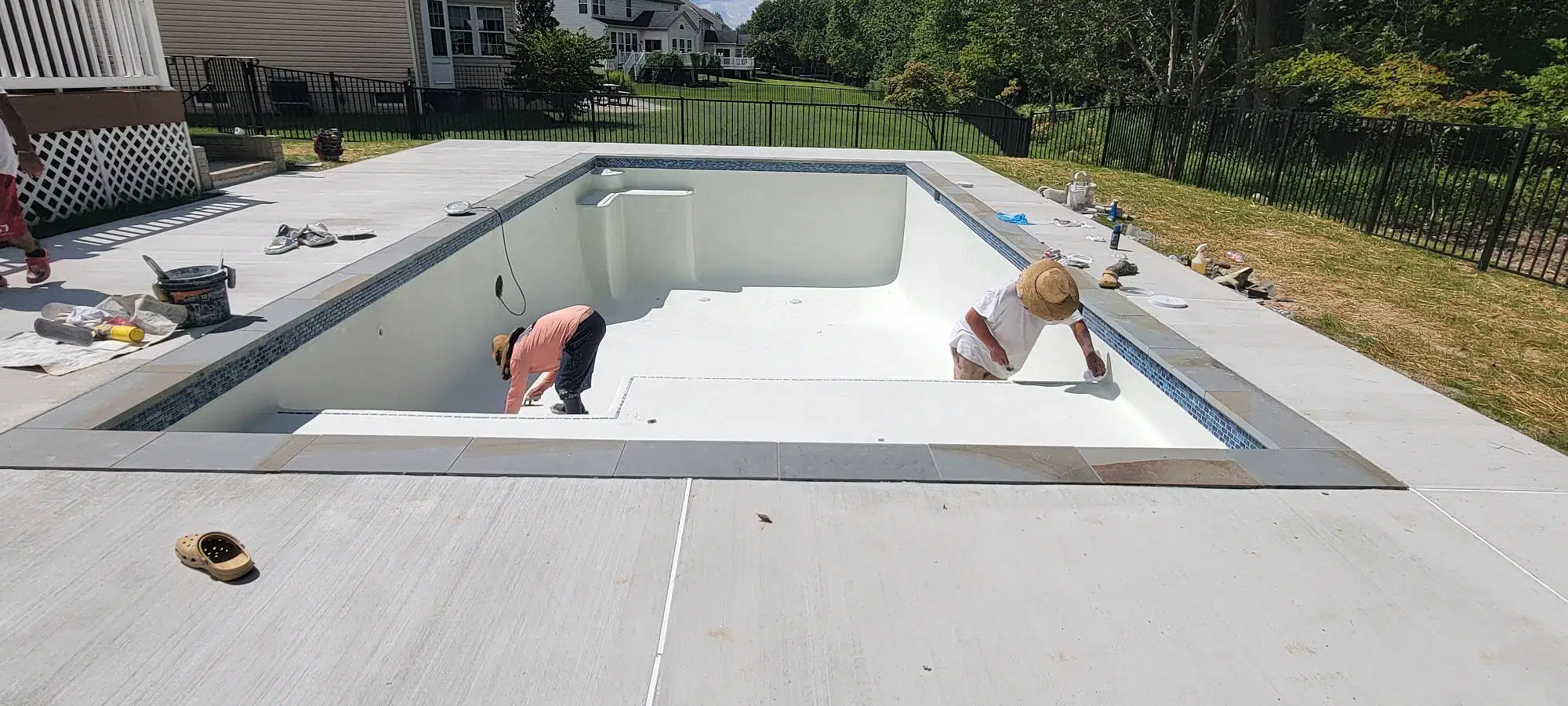
To understand preventing inground pool popping from groundwater, it helps to think of your pool as a giant concrete boat. When the pool is full, the weight of thousands of gallons of water easily pushes back against the surrounding soil and groundwater, keeping the structure firmly in place. But what happens if the pool is drained for maintenance or repairs during a period of heavy rain?
Without the weight of the water inside, the upward force of the saturated earth takes over. If the pressure isn't safely relieved, the structural shell can crack, buckle, or float upward. This is a primary reason why draining a pool should never be a DIY project and should only be handled by professionals who understand local water tables and weather conditions.
When we plan swimming pool installations, one of our first priorities is conducting a thorough site evaluation. By leveraging modern construction technology like 3D mapping and advanced site surveys, we can anticipate high water table challenges before breaking ground. This allows us to design proactive drainage solutions and provide transparent, accurate project estimates, avoiding unexpected costs and project delays later on.
Recognizing the Warning Signs
Catching the early signs of hydrostatic pressure pool damage can save you from catastrophic failures and costly rebuilds. Because the forces are underground, the symptoms can sometimes be subtle at first.
Keep an eye out for these common indicators:
- Unusual Cracks: Hairline cracks in the plaster are normal over time, but large, structural cracks in the concrete shell or decking often point to shifting earth and pressure imbalances.
- Bulging or Wrinkled Liners: If you have a vinyl liner pool, groundwater pushing up from beneath can cause the liner to float, wrinkle, or bulge away from the walls.
- Uneven Pool Decking: If the concrete or paver patio surrounding your pool begins to heave, crack, or slope irregularly, it may indicate that the underlying soil is saturated and expanding.
- Water Loss: Ironically, structural damage caused by outside water pressure often leads to leaks from the inside. If you notice your water level dropping faster than normal evaporation rates, it's time to investigate.
If you spot any of these issues, it is essential to schedule professional swimming pool repairs immediately. Ignoring the symptoms will only allow the damage to compound over time.
Solutions and Preventative Measures
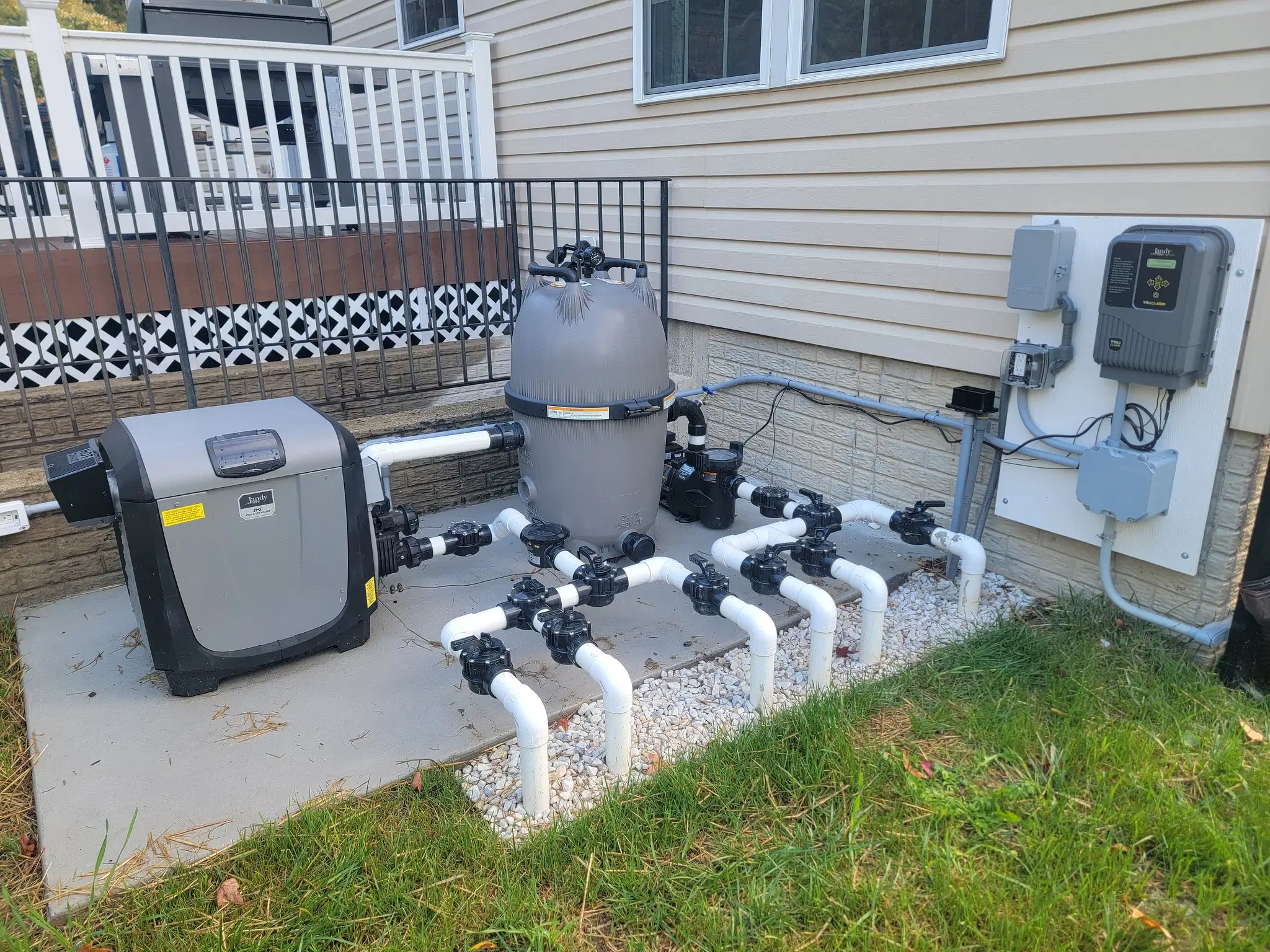
Fortunately, modern pool construction incorporates several effective high water table swimming pool installation solutions to mitigate these risks.
The most important defense mechanism is the hydrostatic relief valve. If you are wondering about hydrostatic relief valve function in pools, it acts as a specialized one-way safety gate located in the main drain at the deepest part of the pool. When groundwater pressure builds up beneath the shell, this valve automatically opens to allow the groundwater to safely enter the pool. While you might end up with slightly murky water that needs filtering, this controlled release of pressure completely neutralizes the force that would otherwise crack or pop the pool shell. Once the pressure equalizes, the valve snaps shut.
In addition to relief valves, proper site drainage is critical. French drains, gravel backfill, and sump pits can be installed around the perimeter of the pool to intercept and redirect groundwater away from the structure. When you work with a licensed and fully insured general contractor, these critical safety features are carefully calculated and built into the initial design to comply with strict local building codes.
Protect Your Investment with Professional Expertise
Navigating the complexities of local soil conditions, groundwater management, and structural engineering requires experienced professionals. Attempting to cut corners with unlicensed contractors often leads to poor workmanship, missing safety features, and devastating property damage down the road.
At Legacy Pool and Spa LLC, we pride ourselves on delivering high-quality craftsmanship, clear communication, and reliable timelines. Whether you need a comprehensive assessment of an aging pool, structural repairs, or a brand-new installation tailored to the unique landscape of MoCo, our team is equipped to handle the job safely and correctly.
Don't let hydrostatic pressure threaten your backyard retreat. Contact us today to discuss your pool project or schedule a consultation with our experienced team.