
Don't Get Caught in the Cold: Your Expert Guide to Closing Your Pool for a Maryland Winter
As the crisp autumn air settles in and the swimming season in the Baltimore area comes to a close, it's time to think about protecting your backyard oasis. Properly closing your pool for the winter is one of the most important maintenance tasks you'll perform all year. It’s not just about throwing a cover on and hoping for the best; it's a crucial process that safeguards your investment from the harsh effects of freezing temperatures, preventing costly damage and ensuring a smooth, easy opening next spring. A little effort now saves a world of headaches later. This guide will walk you through the essential steps and expert tips for a safe and effective pool closing.
Why a Proper Pool Closing is Non-Negotiable
Skipping steps or improperly winterizing your pool can lead to significant and expensive problems. Maryland's weather is known for its freeze-thaw cycles, where temperatures fluctuate above and below freezing. When water trapped in your pool’s plumbing lines freezes, it expands with incredible force. This expansion can easily crack PVC pipes, damage pump housings, split filter tanks, and ruin heaters. What might seem like a small oversight in the fall can result in thousands of dollars in swimming pool repairs come springtime.
A professional closing process also protects your pool's surfaces. Unbalanced water chemistry left to sit for months can stain plaster, fade vinyl liners, and encourage stubborn algae blooms that turn your pool into a swampy mess. By taking the right steps, you’re not just preventing damage; you’re preserving the beauty and longevity of your pool and ensuring it’s ready for fun as soon as the warm weather returns.
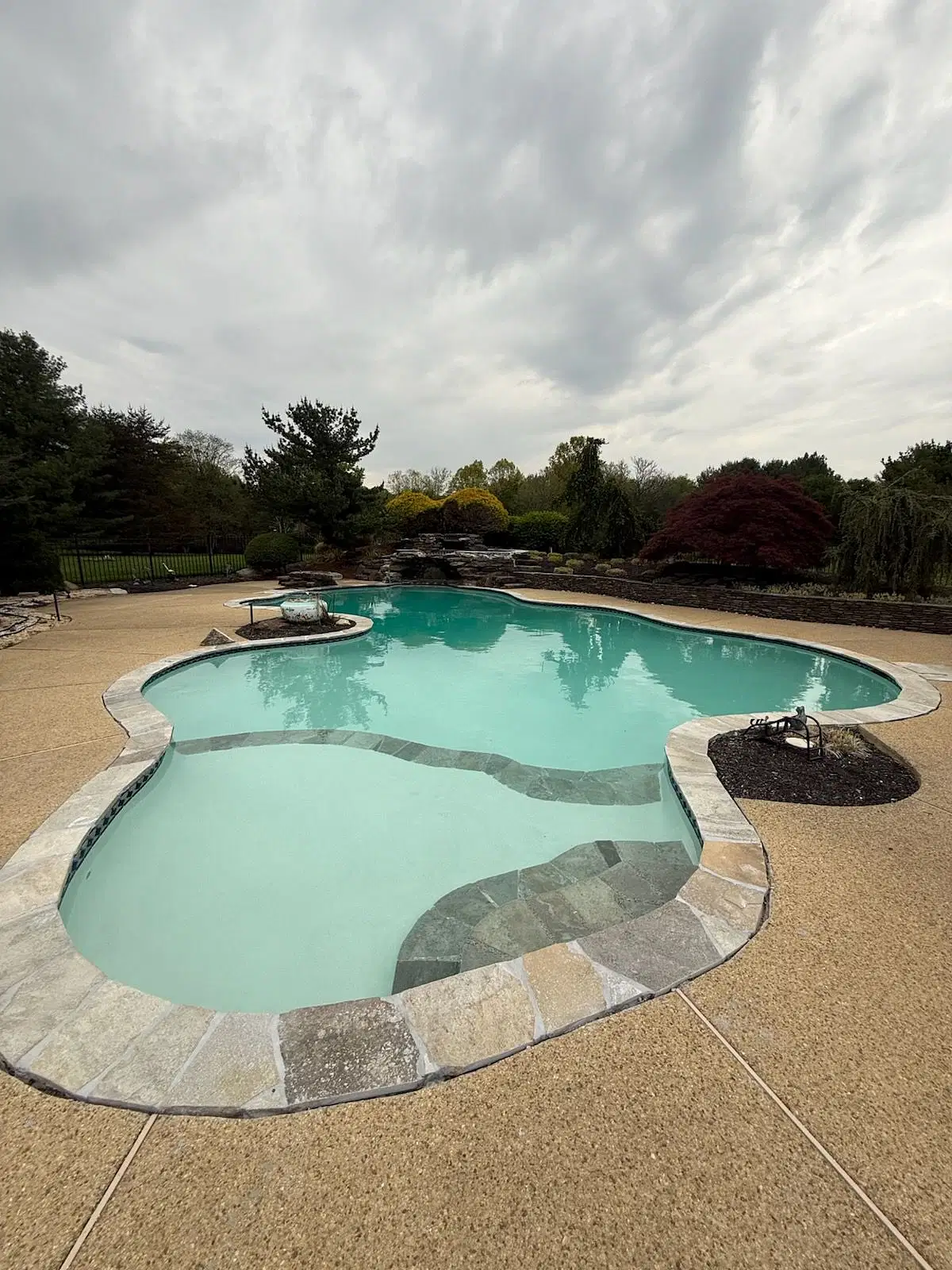
The Essential Checklist for Winterizing Your Pool
Follow these steps to ensure your pool is properly protected. While this can be a DIY project, some steps, particularly clearing the plumbing lines, require specific equipment and expertise.
1. Deep Clean and Balance the Water About a week before you plan to close, give your pool a thorough cleaning. Skim all debris, brush the walls and floor, and vacuum the entire pool. Once it's clean, test the water chemistry and balance it according to these general guidelines:
- pH: 7.2 - 7.6
- Alkalinity: 80 - 120 ppm
- Calcium Hardness: 180 - 220 ppm
Balanced water is less likely to cause staining or scaling over the winter. Just before closing, shock the pool with a chlorine shock to eliminate any remaining bacteria or algae.
2. Lower the Water Level Drain the water to a level that is about 4-6 inches below the skimmer opening. This prevents water from entering the skimmer and freezing, which could crack the skimmer body. It also ensures the pool cover isn't submerged.
3. Drain Equipment and Clear All Plumbing Lines This is the most critical step in preventing freeze damage. You must remove all water from your pump, filter, heater, and any other equipment. Remove all drain plugs to let the water out. Then, use a powerful air compressor or a shop-vac to blow all the water out of the plumbing lines, from the skimmer and main drain lines through to the return jets. You'll see bubbles emerge from the returns; continue blowing until only a fine mist comes out. Once cleared, plug the lines at the pool wall with expansion plugs to keep them dry.
4. Add Winterizing Chemicals With the water level lowered and lines cleared, add a winter chemical kit. These kits typically include a long-lasting algaecide and a stain-and-scale preventer. These chemicals work over the winter months to keep the water clear and prevent algae from taking hold, making your spring opening much easier.
5. Install a Quality Winter Cover Your final step is to securely install your winter cover. A good cover will keep out sunlight, leaves, and other debris. For maximum protection and safety, especially for families with children or pets, a safety cover anchored to the pool deck is the best option. These covers are designed to withstand heavy snow loads and prevent accidental entry.
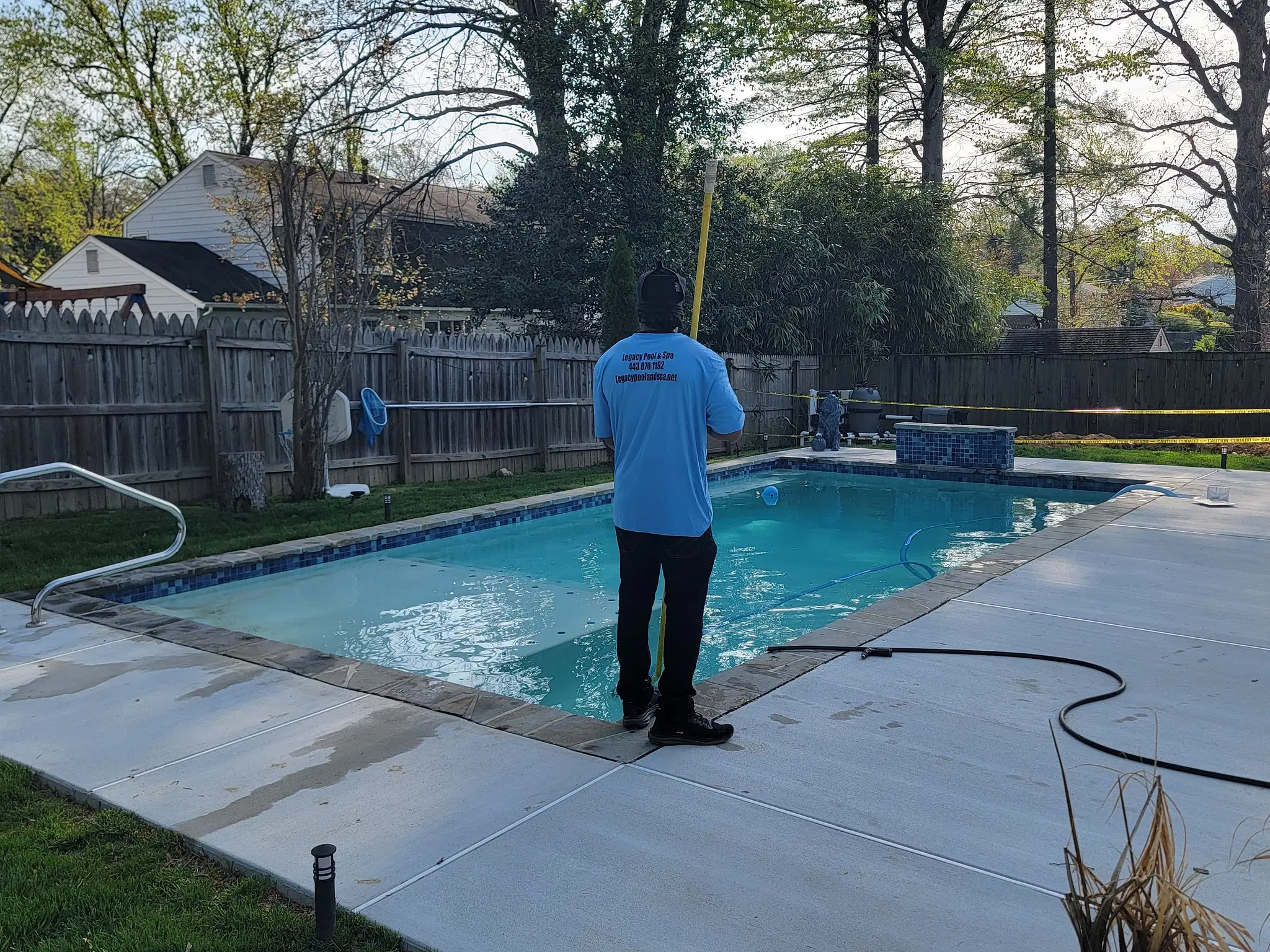
Common Mistakes That Lead to Costly Spring Surprises
Even with a checklist, it's easy to make a mistake that can compromise your pool's safety over the winter. Here are a few common pitfalls to avoid:
- Closing Too Early: If the water is still warm (above 65°F), algae can grow rapidly under the cover, even with winter chemicals. Wait until the temperature is consistently cool before closing.
- Not Fully Clearing the Lines: This is the number one cause of winter damage. Even a small amount of water left in a pipe can freeze and cause a burst. If you're not 100% confident you can get every drop out, this is a job best left to a professional.
- Forgetting to Remove Drain Plugs: Leaving drain plugs in your pump or filter can trap water inside, leading to cracked housings when it freezes.
- Using a Tarp Instead of a Proper Cover: A simple tarp and water bags won't provide the safety or debris protection of a fitted winter cover or a safety cover, and it's more likely to fail mid-winter.
Set Your Pool Up for a Perfect Spring Opening
A thorough and correct pool closing is your ticket to a stress-free spring opening. It protects your equipment, preserves your pool's surfaces, and saves you from the frustration and expense of unexpected repairs. While it's a manageable task for some, the technical aspects, especially clearing the plumbing, can be intimidating.
If you want complete peace of mind knowing your pool is protected against the Baltimore winter, trust the experts. At Legacy Pool and Spa LLC, we offer comprehensive swimming pool opening and closing services. Our team has the right equipment and expertise to ensure every component is properly winterized. We also provide ongoing pool servicing to keep your investment in top shape. Contact us today to schedule your professional pool closing and rest easy all winter long.