
Don't Get Caught in the Cold: A Guide to Preparing Your Pool for Maryland Winter Storms
Maryland winters can be unpredictable. One week might feel like early fall, and the next could bring a sudden blast of ice and heavy snow. For pool owners throughout the Baltimore area, this volatility poses a significant risk to your backyard investment. A beautiful pool can quickly become a source of expensive, frustrating damage if it’s not properly prepared for the harsh conditions a winter storm can bring. The key to avoiding cracked pipes, torn covers, and damaged equipment is proactive preparation.
At Legacy Pool and Spa, we’ve seen firsthand what a severe winter storm can do to an unprepared pool. The good news is that with a few key steps, you can secure your pool and have peace of mind all winter long. This guide will walk you through the essential measures to protect your pool, ensuring it’s ready for a smooth opening when warm weather returns.
Secure Your First Line of Defense: The Pool Cover
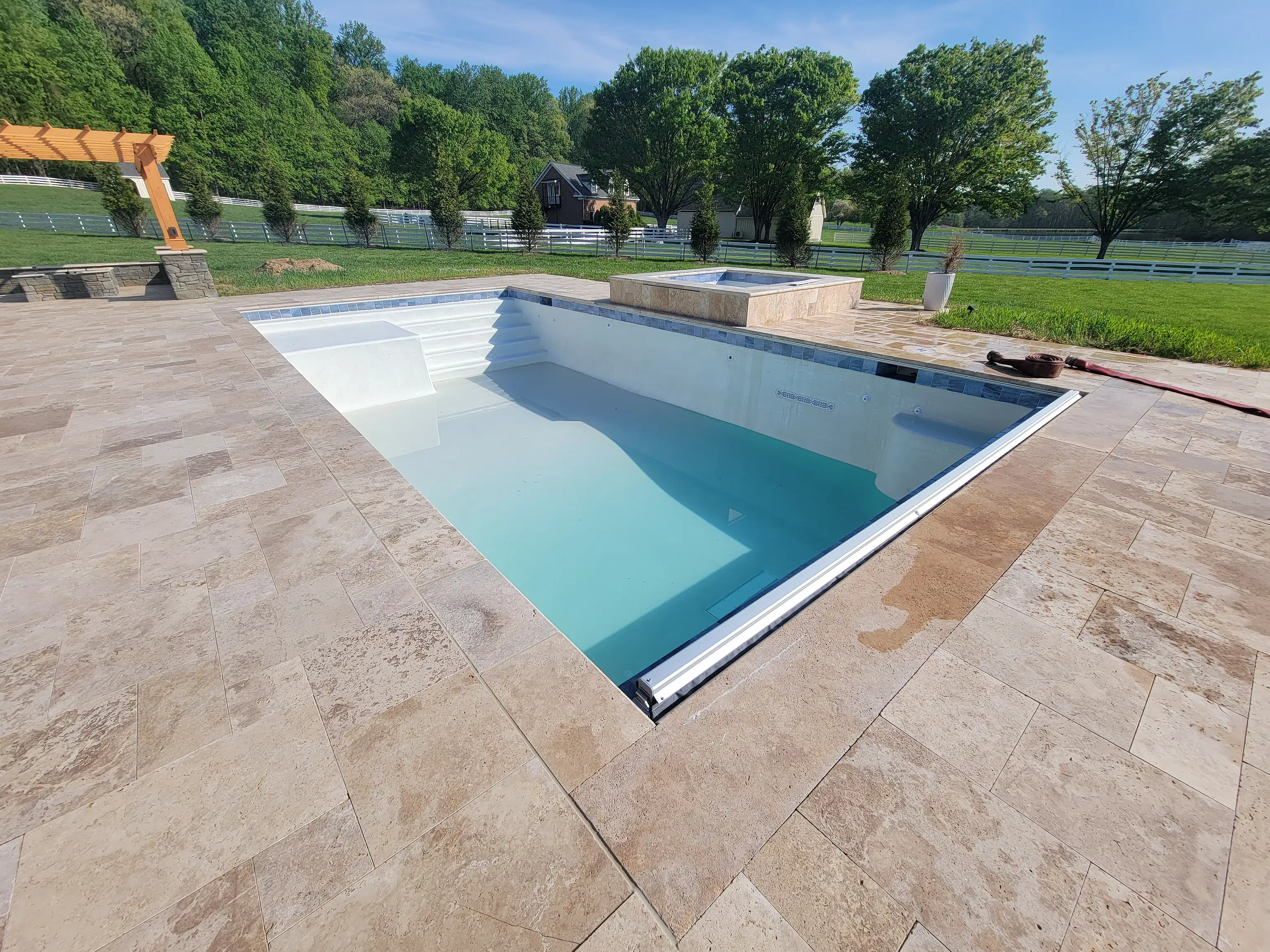
Your winter pool cover is the most visible barrier against the elements, but it can also be a point of failure during a storm. The immense weight of heavy, wet snow or a thick layer of ice can strain seams, tear fabric, and even damage the anchors and coping around your pool. Simply putting the cover on isn't enough; it needs to be reinforced for the worst-case scenario.
Before a storm arrives, take these steps:
- Check the Tension: Ensure all straps are tight and springs are properly compressed. A taut cover is less likely to sag under weight, which prevents water and snow from accumulating in one spot.
- Pump Off Standing Water: Use a submersible cover pump to remove any rain or melted snow from the surface. Water is heavy, and if it freezes, it adds a significant, concentrated load to your cover. Keeping it dry is crucial.
- Use an Air Pillow (for above-ground or solid covers): An air pillow placed in the center of the pool under the cover creates a dome shape. This helps to distribute the weight of snow and ice towards the edges, preventing a dangerous buildup in the middle.
- Clear Debris: Remove any leaves, twigs, or branches from the cover. This debris can hold moisture, add weight, and the sharp edges of branches could puncture the cover under the pressure of snow.
After a heavy snowfall, it's tempting to use a shovel to clear the cover, but this often causes more harm than good. Sharp metal or plastic edges can easily rip the vinyl. Instead, use a long-handled, soft-bristled brush or a specialized pool cover rake to gently pull snow off.
Protect the Heart of Your Pool: Plumbing and Equipment
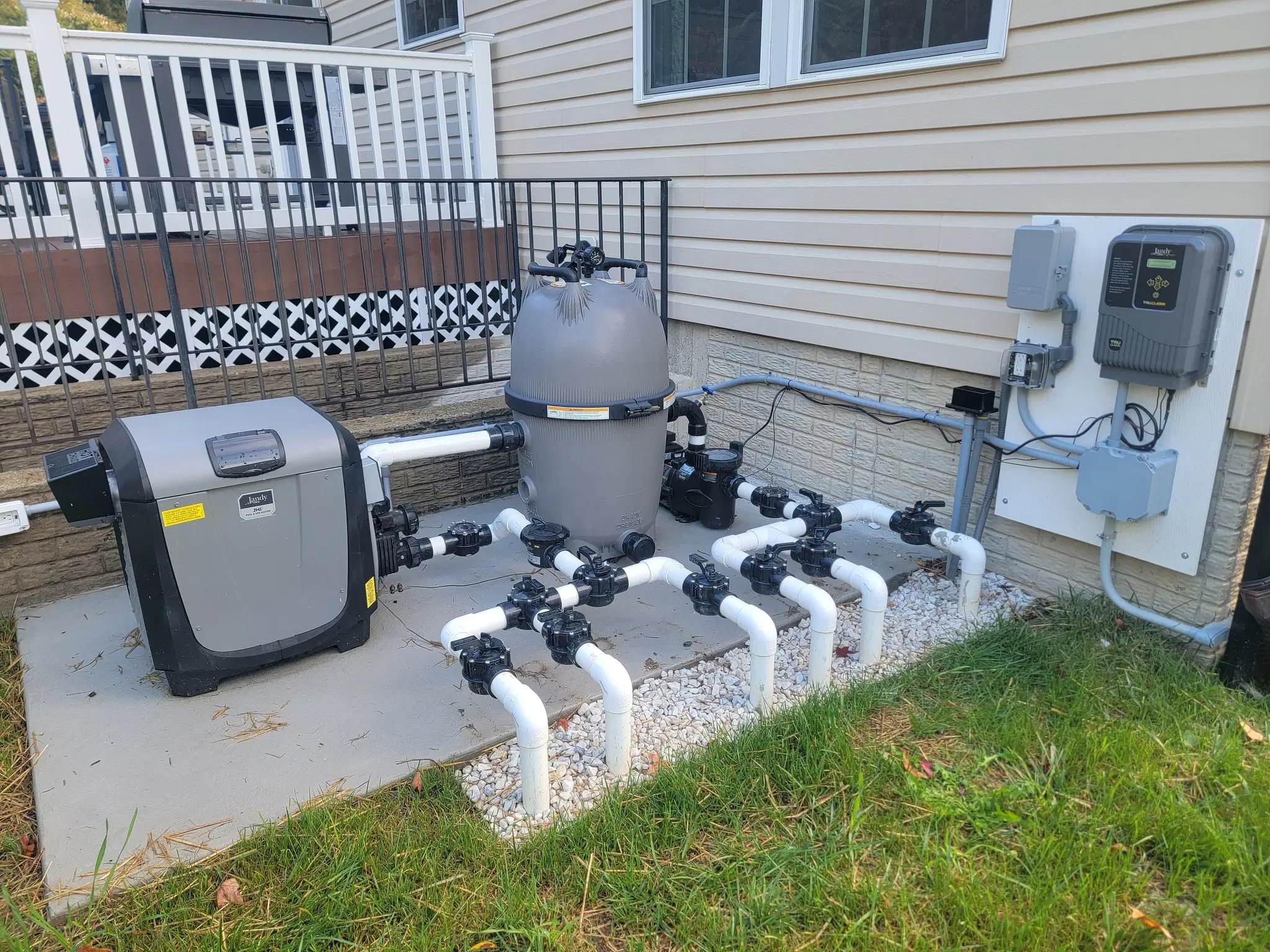
The most costly damage from a winter storm often happens out of sight, within your pool's plumbing and equipment. When water freezes, it expands with incredible force—enough to crack PVC pipes, filter housings, and pump casings. A proper pool closing is designed to prevent this, but taking extra precautions before a deep freeze is smart.
- Double-Check Your Winterization: Confirm that all your pool lines were properly blown out and plugged. Ensure the pump, filter, heater, and chlorinator are drained completely. If you're unsure about any step of this process, it's always best to consult a professional.
- Insulate Exposed Components: Any pipes or valves that remain exposed to the air are vulnerable. Wrap them with foam pipe insulation, which you can find at most hardware stores. This simple step provides an extra layer of protection against freezing temperatures.
- Cover Your Equipment Pad: While your equipment should be drained, shielding it from direct snowfall and ice can prevent moisture from seeping into small crevices and causing damage. Use a purpose-built equipment cover or a securely fastened tarp to keep the pump, filter, and heater protected from the elements.
The Post-Storm Inspection: What to Look For
Once the storm has passed and it's safe to go outside, a quick inspection of your pool area can help you catch small problems before they become big ones. Don't wait until spring to discover damage.
Walk around your pool and check the following:
- The Cover: Look for any new rips, tears, or holes. Check for excessive sagging and ensure all anchors are still securely in place.
- The Water Level: For mesh safety covers, check that the water level hasn't risen high enough to touch the underside of the cover, as this can cause damage during a freeze.
- Coping and Decking: Visually inspect the coping stones and the surrounding deck for any new cracks or shifting that could have been caused by frost heave.
- Equipment: Look over your covered equipment. Make sure the covering is still secure and there are no visible signs of damage to the area.
If you notice anything concerning, like a large tear in your cover or a broken anchor, it's important to address it quickly. A small issue left unattended can lead to a much bigger headache when it's time to open the pool. Timely swimming pool repairs can save you significant time and money.
Stay Ahead of Winter with Professional Help
Preparing your pool for a Maryland winter storm is about protecting your investment and ensuring a hassle-free start to the next swim season. By securing your cover, safeguarding your equipment, and performing a thorough post-storm check, you can rest easy knowing your pool is safe.
Of course, the best defense against winter damage is a comprehensive, professional closing. If you have any doubts about your winter preparations or need assistance after a storm, don't hesitate to reach out. Contact Legacy Pool and Spa today for expert pool closing, servicing, and repair services in Finksburg and the greater Baltimore region. We're here to help you keep your pool in perfect condition, no matter what the weather brings.