
Beat the Heat: Your Essential Guide to Pool Maintenance in the Maryland Summer
There’s nothing better than jumping into a cool, refreshing swimming pool during a classic Maryland summer. When the sun is blazing and that famous Bawlmer humidity sets in, your backyard oasis becomes the ultimate escape. But that same intense heat that makes a swim so inviting also creates the perfect storm for pool problems. High temperatures, powerful UV rays, and frequent use can quickly turn a sparkling retreat into a cloudy, green headache.
Keeping your pool pristine during the hottest months requires more than just occasional skimming. It demands a proactive approach to water chemistry, filtration, and cleaning. Neglecting these tasks can lead to algae blooms, equipment strain, and water that’s simply unsafe for swimming. This guide will walk you through the essential maintenance steps to ensure your pool remains a safe, beautiful, and enjoyable centerpiece for your family all summer long in the Baltimore area.
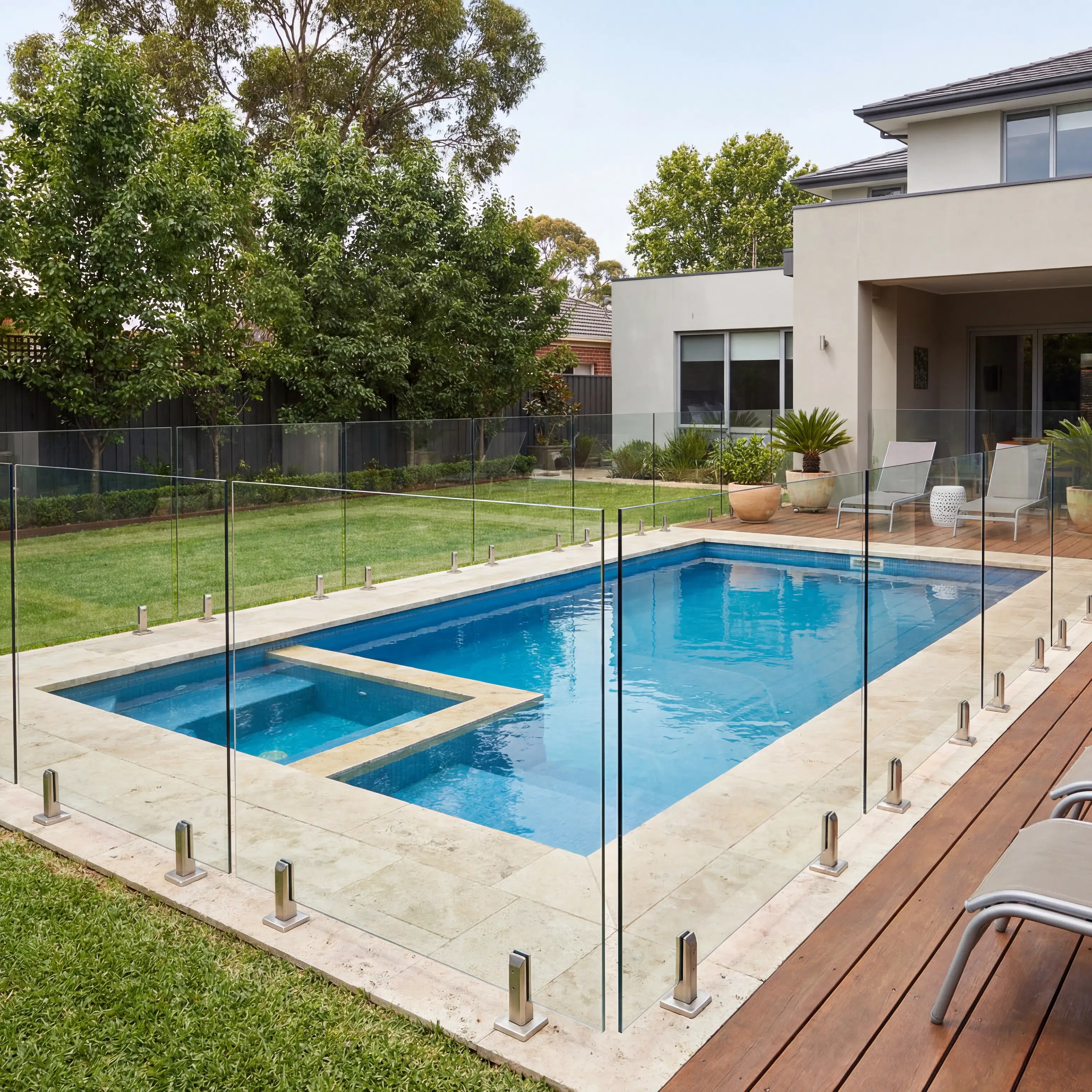
The Chemistry Challenge: Winning the Battle Against the Sun
The single most important aspect of summer pool care is maintaining balanced water chemistry. The sun's UV rays are relentless, breaking down chlorine at an accelerated rate. When chlorine levels drop, your pool loses its primary defense against bacteria and algae. Here’s how to stay on top of it:
- Test, Test, and Test Again: During peak summer, you should test your pool water 2-3 times per week. Pay close attention to free chlorine, pH, and total alkalinity. Your free chlorine should consistently be between 1-3 parts per million (ppm), and your pH should be between 7.4 and 7.6. Proper pH levels ensure your chlorine works effectively.
- Shock Weekly: "Shocking" the pool, or super-chlorinating, is crucial. It eliminates contaminants, kills algae spores, and breaks down chloramines (the stuff that causes that "chlorine smell" and irritates eyes). After a heavy rainstorm, a pool party, or a major heatwave, an extra shock treatment is a good idea.
- Use a Stabilizer: Cyanuric acid (CYA), often called a stabilizer or conditioner, acts like sunscreen for your chlorine, protecting it from being rapidly depleted by UV rays. Ensure your CYA levels are within the recommended range (typically 30-50 ppm) at the beginning of the season to make your chlorine last longer and work more efficiently.
Filtration and Circulation: Your Pool's Hardest Workers
Think of your pump and filter as your pool's circulatory system. In the summer, this system needs to work overtime to keep the water moving and clear of debris. Stagnant, warm water is a breeding ground for algae, so proper circulation is non-negotiable.
- Optimize Your Run Time: A common mistake is not running the pump long enough to save on electricity. In the summer, you should run your pump for at least 8-12 hours a day. This ensures all the water in your pool passes through the filter at least once. Running it during the hottest parts of the day is effective, but running it overnight can also help cool the water slightly.
- Keep it Clean: Your filter can't do its job if it's clogged. Regularly clean your skimmer and pump baskets to ensure strong water flow. Backwash your sand or D.E. filter, or clean your cartridge filter, whenever the pressure gauge reads 8-10 PSI above its normal clean level. A clean filter is more effective and puts less strain on your pump motor.
- Check Your Equipment: The increased workload during summer can expose weaknesses in your pool equipment. Listen for unusual noises from the pump motor and check for leaks around the system. Catching a small issue early can prevent a major, costly breakdown. If you suspect a problem, it's always best to call for professional swimming pool repairs before it gets worse.
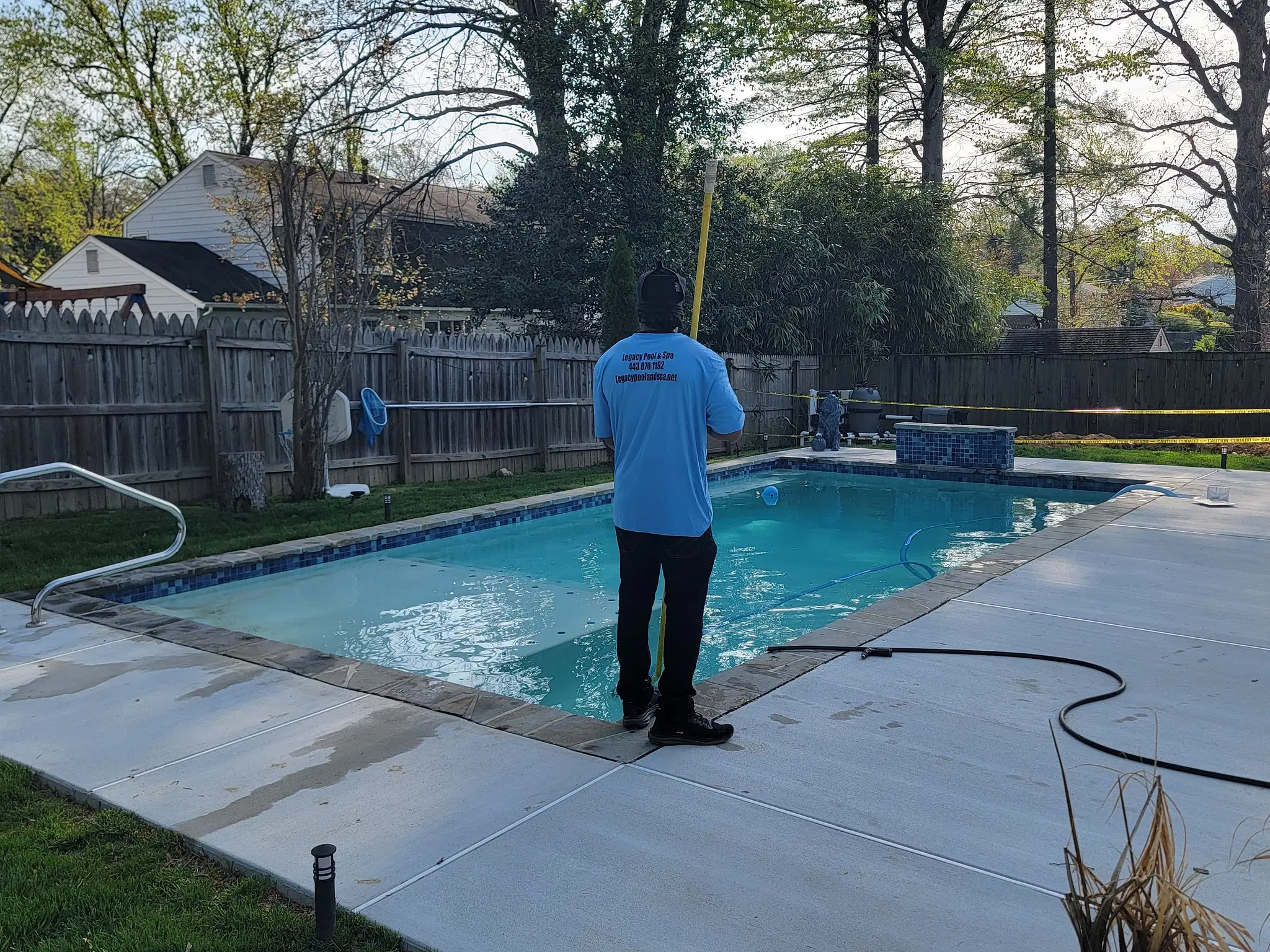
Proactive Cleaning: Preventing Algae and Debris Buildup
Even with perfect chemistry and filtration, physical cleaning is essential for preventing algae growth and keeping your pool looking its best. Algae spores can enter your pool from wind and rain, and they love to hide in corners and on steps where circulation might be lower.
- Brush and Vacuum Regularly: At least once a week, brush the walls, steps, and floor of your pool. This action dislodges any stubborn algae spores, sending them into the water where the filter and chlorine can eliminate them. Follow up with a thorough vacuuming to remove any settled debris.
- Skim the Surface: Skim leaves, bugs, and other floating debris from the surface daily if possible. The longer organic material sits in your pool, the more it breaks down and consumes your chlorine, putting an extra strain on your chemical balance.
- Manage Water Levels: Summer heat leads to rapid water evaporation. Your water level should always be about halfway up the skimmer opening for it to function correctly. If it drops too low, the pump can run dry and burn out. Use a garden hose to top it off as needed.
Your Partner in Perfect Pool Care
We know that Maryland summers are for relaxing, not for stressing over pH levels and filtration schedules. While these maintenance tasks are crucial, they can also be time-consuming. Staying on top of this routine is the key to preventing bigger issues like persistent algae blooms or equipment failure, ensuring your pool is always ready for you to enjoy.
If you'd rather spend your summer swimming than skimming, let the experts at Legacy Pool and Spa LLC help. Our comprehensive swimming pool servicing plans are designed to handle all the hard work for you. And if you've noticed a problem, our team is ready to provide prompt and reliable swimming pool repairs. Contact us today to keep your Finksburg-area pool sparkling clean and worry-free all season long.